
sUAS Operations

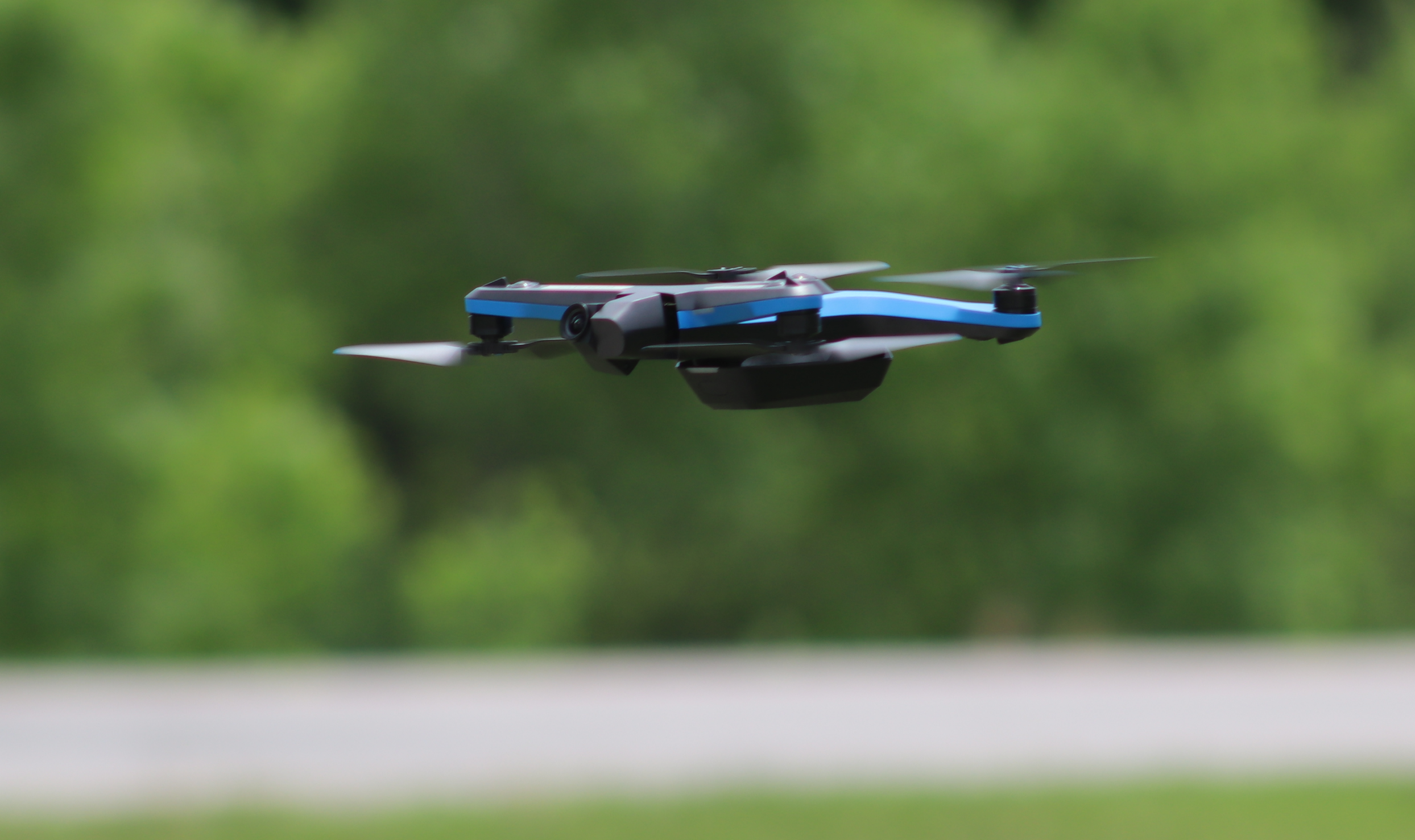
The Skydio X2D The Skydio S2


Civil Air Patrol (CAP) also utilizes sUAS (small Unmanned Aircraft Systems) teams, commonly known as drones, to support its mission, especially in emergency services and disaster response. CAP's sUAS teams perform a variety of functions including(but not limited to):
-
Aerial Reconnaissance: CAP's sUAS teams are skilled in operating drones equipped with high-resolution cameras and sensors. These drones are used for aerial reconnaissance to assess disaster-affected areas, locate missing persons, survey damage, and provide real-time imagery to incident commanders.
-
Search and Rescue (SAR): sUAS teams can quickly deploy drones to search for missing individuals, whether lost in the wilderness or after a natural disaster. Drones can cover large areas efficiently and are equipped with thermal imaging cameras, making them invaluable for locating survivors in challenging conditions.
-
Disaster Assessment: After a disaster, sUAS teams can conduct rapid assessments of the damage, infrastructure, and terrain. This information helps authorities make informed decisions and prioritize response efforts, such as assessing the safety of roads, bridges, and buildings.
-
Environmental Monitoring: CAP's drones can be used to monitor environmental conditions, including wildfires, floods, and the spread of hazardous materials. This data aids in predicting the movement of hazards and planning evacuation routes.
-
Aerial Photography and Videography: Drones capture high-quality aerial photographs and videos, which are valuable for documenting incidents, damage, and responses. This visual data is essential for situational awareness and post-event analysis.
-
Incident Mapping: sUAS teams create detailed maps and 3D models of disaster-affected areas, helping responders better understand the terrain and topography. These maps support search and rescue operations and the deployment of resources.
-
Hazard Mitigation: CAP drones can assist in identifying potential hazards and vulnerabilities, helping authorities take proactive measures to reduce risks to communities.
-
Training and Exercises: CAP's sUAS teams undergo rigorous training and participate in exercises to hone their skills and prepare for real-world missions. These exercises simulate various scenarios, ensuring the teams are well-prepared for actual emergencies.
-
Public Awareness: CAP can use drones for public awareness campaigns, such as capturing aerial footage of community events, parades, and gatherings, as well as for educational purposes in aerospace and STEM programs.
CAP's sUAS teams are a valuable asset in emergency services and disaster response, offering a cost-effective and versatile means of collecting critical information and supporting response efforts. These teams work in conjunction with other emergency responders and agencies to enhance the overall effectiveness of emergency operations.